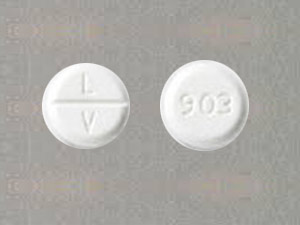
BUY Codeine 30mg In Sydney Australia
Codeine is a narcotic pain reliever that is almost exclusively prescribed in combination with other medications like acetaminophen (e.g., Tylenol with Codeine) to treat mild to moderate pain.
A “300 mg” designation usually refers to the acetaminophen content, paired with a smaller dose of codeine (e.g., 15 mg, 30 mg, or 60
- Overdose Risk: High doses can cause dangerous breathing problems.
- Side Effects: Common side effects include extreme drowsiness, dizziness, constipation, and nausea.
- Liver Damage: Because it is often combined with acetaminophen, taking too many tablets can also cause severe, potentially life-threatening liver damage
Why is this medication prescribe?|Codeine 30mg
The combination of acetaminophen and codeine is use to relieve pain. Acetaminophen is in a class of medications call analgesics (pain relievers) and antipyretics (fever reducers). It works by changing the way the body senses pain and by cooling the body.
Codeine belongs to a class of medications called opiate (narcotic) analgesics. When codeine is used to treat pain, it works by changing the way the brain and nervous system respon to pain.Codeine 30mg
How should this medicine be use?|buy Codeine 30mg
The combination of acetaminophen and codeine comes as a tablet, capsule, and liquid to take by mouth. Take every 4 hours as needed.
Your doctor may adjust your dose during your treatment, depending on how well your pain is controlle and on the side effects that you experience.
Talk to your doctor about how you are feeling during your treatment with acetaminophen and codeine.
Tell your doctor if you feel that your pain is not controlle or if your pain increases, becomes worse,
or if you have new pain or an increased sensitivity to pain during your treatment with acetaminophen and codeine.
Do not take more of it or take it more often than prescribed by your doctor.
Talk to your doctor or pharmacist about access to rescue medicines, naloxone or nalmefene, while taking acetaminophen and codeine.
Rescue medications can reverse the life-threatening effects of an opioid overdose
and are available over the counter or with a prescription.
Make sure that you and your family members and people usually around you know how to recognize an overdose,
how to use naloxone or nalmefene, and what to do until emergency medical help arrives.
Your doctor or pharmacist will show you and others how to use it. If symptoms of an overdose occur, they should give the first dose of naloxone, call 911 immediately,
and stay with you and watch you closely until emergency medical help arrives.
If your symptoms return, the person should give you another dose of the rescue medication. Additional doses may give every 2 to 3 minutes, if symptoms return before medical help arrives.
If you have taken acetaminophen and codeine for several weeks or longer, do not stop taking the medication without talking to your doctor.





Reviews
There are no reviews yet.